Building an email list without a strategy is like collecting phone numbers you never call. Many businesses gather subscribers but fail to convert them into paying customers. It happens because they lack a proper system for nurturing relationships over time. This beginner’s guide to email marketing funnels will teach you exactly how to transform casual subscribers into loyal customers systematically. Understanding email marketing funnels means learning how to guide people through a strategic sequence of messages that build trust and drive sales. This comprehensive beginner’s guide to email marketing funnels breaks down the entire process into manageable steps anyone can implement. You’ll discover the different funnel stages, essential email types, proven templates, and real strategies for automation. Whether you’re launching your first email list or trying to improve poor conversion rates, this guide provides the foundation you need to succeed.
What Is an Email Marketing Funnel?
An email marketing funnel is a strategic sequence of emails designed to guide subscribers toward a specific goal. Think of it as a journey rather than random messages. Each email serves a purpose in moving people closer to a purchase.
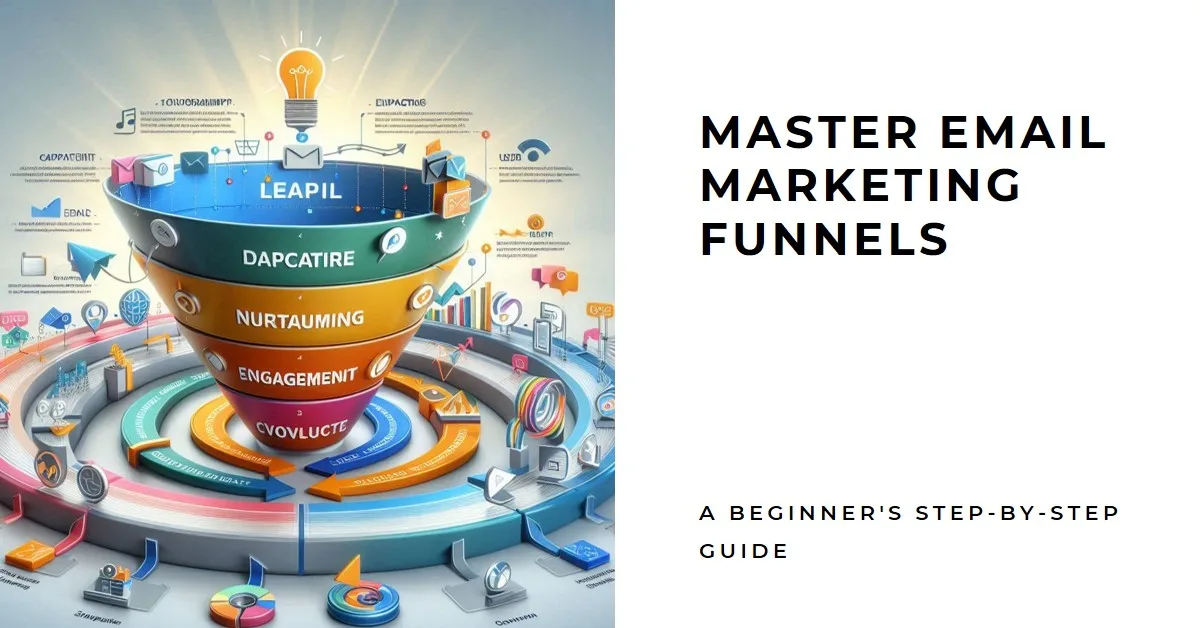
The funnel shape represents your audience narrowing at each stage. Many people enter at the top by subscribing. Fewer people move to each subsequent stage. Only some ultimately become paying customers. This natural narrowing is expected and normal.
Unlike single promotional emails, funnels use multiple touchpoints strategically. Research shows people need 7-13 touchpoints before making purchase decisions. A single sales email rarely converts cold subscribers. Sequential nurturing builds necessary trust.
Automation makes funnels incredibly efficient. Once built, these sequences work continuously without manual effort. New subscribers automatically enter your funnel and receive appropriate messages. This scalability is a major advantage over manually sending emails.
Different funnels serve different purposes. Some focus on welcoming new subscribers. Others nurture leads toward first purchases. Some re-engage inactive customers. Understanding these variations helps you build the right funnels for your business.
This beginner’s guide to email marketing funnels will walk through each essential type. You’ll learn when to use specific funnels and how to structure them effectively. The goal is to transform your email list from a static database into an active, revenue-generating asset.
Successful funnels feel personal despite being automated. Good funnel design anticipates subscriber needs and questions. Each email addresses concerns naturally, moving people toward conversion without feeling pushy or salesy.
Why Email Marketing Funnels Matter for Your Business
Email marketing consistently delivers the highest return on investment among digital marketing channels. Studies show average returns of $36-$42 per dollar spent. However, this impressive return only materialises with proper funnel strategy.
Random, unplanned emails waste this potential entirely. Sending occasional promotions without strategic sequencing leaves money on the table. Subscribers who aren’t ready to buy immediately get ignored rather than nurtured.
Funnels address the reality that most people don’t purchase immediately. Someone downloading your free guide isn’t ready to spend $500 on your course yet. They need education, trust-building, and gentle persuasion first.
This beginner’s guide to email marketing funnels emphasises patience and strategic sequencing. Rushing subscribers toward sales too quickly often backfires. Funnels respect the natural buying psychology and timing.
Automated funnels work 24/7 without requiring constant attention. While you sleep, your funnel automatically nurtures new subscribers. This passive income potential makes funnels incredibly valuable for business scalability.
Personalisation within funnels increases engagement significantly. Segmented funnels based on subscriber behaviour or interests perform better than generic sequences. This targeted approach feels more relevant to each recipient.
Data from funnel performance provides valuable business insights. You learn which messaging resonates, which objections arise, and which offers convert best. This information improves not just email marketing but overall business strategy.
Building proper funnels transforms email marketing from a chore into a genuine business asset. Understanding this fundamental shift helps you appreciate why investing time in funnel creation pays significant dividends.
The Awareness Stage: Welcoming New Subscribers
The awareness stage begins the moment someone joins your email list. This first impression sets the tone for your entire relationship. Getting this stage right dramatically impacts long-term success.
Your welcome email should arrive immediately after signup. Delays create a disconnect between the subscriber’s interest and your response. Automation ensures instant delivery regardless of when someone subscribes.
Welcome emails typically achieve the highest open rates in any funnel. People actively expect and anticipate this first message. Open rates often exceed 50%, compared to 15-20% for regular campaigns.
Use this high-attention moment wisely. Introduce yourself or your brand clearly. Explain what subscribers can expect from future emails. Set expectations about frequency and content type.
Deliver on your original promise immediately. If someone subscribed for a free guide, provide that resource prominently. Don’t make people search for what they signed up to receive.
Include a clear next step or call to action. It might be visiting your blog, following social media, or exploring your website. Guide the subscriber’s attention toward valuable next actions.
Consider a welcome series rather than a single email. Three to five emails over the first week can introduce your story, showcase testimonials, and provide additional value. This extended welcome builds stronger initial relationships.
Personality should shine through in these early messages. It is your chance to differentiate from competitors. Authentic voice and genuine value create memorable first impressions.
This beginner’s guide to email marketing funnels emphasises that success at the awareness stage predicts overall funnel performance. Strong welcomes create engaged subscribers who progress through subsequent stages more readily.
The Consideration Stage: Building Trust and Authority
After the initial welcome, subscribers enter the consideration stage. Here, they’re evaluating whether you’re trustworthy and whether your solutions fit their needs. This stage requires patience and genuine value delivery.
Educational content dominates successful consideration-stage emails. Teach subscribers something valuable without immediately asking for a sale. This generosity builds trust and demonstrates expertise.
Address common questions and objections proactively. What concerns might prevent someone from trusting you? Answer these directly through helpful content. This transparency accelerates trust-building significantly.
Share customer success stories and testimonials strategically. Social proof reassures hesitant subscribers that others have benefited from your solutions. Real examples resonate more than abstract claims.
Provide genuine value through tips, resources, or insights. Each email should leave subscribers feeling like they gained something worthwhile. This value-first approach differentiates you from purely promotional senders.
Segment your audience based on their interests or behaviour at this stage. Different subscribers have different needs and questions. Tailored content resonates more powerfully than generic messaging.
Introduce your products or services gradually and naturally. Rather than aggressive sales pitches, explain how your offerings solve the specific problems your educational content addresses. This soft introduction feels less pushy.
Maintain consistent communication frequency throughout this stage. Sporadic emailing loses momentum and subscriber interest. Weekly or bi-weekly emails typically work well for maintaining engagement without overwhelming.
This beginner’s guide to email marketing funnels emphasises that patience during the consideration stage pays dividends. Rushing this crucial trust-building phase often results in lower conversion rates during the eventual sales push.
The Decision Stage: Converting Subscribers to Customers
The decision stage represents the critical moment when subscribers choose to purchase or walk away. Everything from previous stages builds toward this pivotal point. Strategic messaging here directly impacts conversion rates.
Present clear, compelling offers with specific benefits. Vague value propositions confuse potential customers. Explicitly state what problems your product solves and what outcomes customers can expect.
Address remaining objections directly and honestly. By this stage, you likely know common hesitations. Tackle pricing concerns, implementation worries, or scepticism directly rather than avoiding these topics.
Create appropriate urgency without manufacturing false scarcity. Limited-time bonuses, seasonal relevance, or genuine capacity constraints can motivate action. However, fake urgency damages trust when discovered.
Highlight guarantees or risk-reversal offers prominently. Money-back guarantees or free trials significantly reduce purchase anxiety. This risk reduction often tips hesitant subscribers toward conversion.
Include multiple calls-to-action throughout decision-stage emails. Some people decide quickly after reading a headline; others need to read entire emails first. Multiple CTA placements capture readers at different decision points.
Use urgency-based subject lines carefully during this stage. “Last chance” or “Ending soon” messaging can boost open rates and conversions. However, overuse creates scepticism and reduces effectiveness over time.
Follow up with subscribers who click but don’t purchase. It indicates interest without a completed conversion. Additional follow-up addressing potential hesitations often recovers otherwise lost sales.
Track which specific emails drive actual conversions during this stage. This data reveals your most persuasive messaging and offers. Understanding what works allows continuous funnel optimisation.
This beginner’s guide to email marketing funnels recognises that the complexity of decision stages requires careful balance. Push too hard, and you seem desperate; too soft and you miss conversion opportunities.
The Retention Stage: Nurturing Existing Customers
Many businesses focus exclusively on acquiring new customers while neglecting existing ones. This oversight wastes tremendous potential revenue. Retention-focused funnels significantly maximise customer lifetime value.
Onboarding emails help new customers succeed with their purchase. Confusion or frustration with new products leads to refund requests or negative reviews. Clear guidance prevents these problematic outcomes.
Educational content about maximising product value keeps customers engaged. Show them features or applications they might not discover on their own. This ongoing education increases satisfaction and reduces churn.
Cross-selling and upselling opportunities emerge naturally within retention funnels. Once trust is established through successful initial purchases, customers become receptive to complementary offerings.
Request feedback and reviews strategically after positive experiences. Timing matters significantly here. Ask for testimonials when customers are likely to feel satisfied, not immediately after purchase, before they’ve experienced value.
Create loyalty programs or exclusive content for existing customers. This special treatment reinforces their decision to purchase and encourages continued engagement. VIP feelings drive repeat business.
Address potential churn signals proactively. Decreased engagement, unused features, or support tickets might indicate dissatisfaction. Automated sequences addressing these signals can prevent customer loss.
Celebrate customer milestones and anniversaries. Acknowledging one-year purchase anniversaries or achievement milestones creates positive emotional connections. This personal touch differentiates you from competitors.
Re-engagement campaigns target customers who’ve become inactive. Special offers or check-ins can revive dormant relationships. It is significantly cheaper than acquiring entirely new customers.
This beginner’s guide to email marketing funnels highlights retention as the most profitable yet often overlooked funnel type. Existing customers typically convert at higher rates than new prospects for additional purchases.
Essential Email Types for Every Funnel
Understanding specific email types helps you systematically construct effective funnels. Each type serves distinct purposes within your overall strategy. Mastering these formats improves your funnel’s effectiveness.
Welcome emails introduce new subscribers to your brand immediately. These set expectations and deliver promised lead magnets. High engagement rates make these crucial first impressions.
Educational emails teach subscribers something valuable without direct selling. These build authority and trust systematically. Consistent value delivery differentiates you from purely promotional senders.
Story-based emails share personal experiences or customer journeys. Narratives engage emotionally in ways pure information cannot. Stories make abstract concepts memorable and relatable.
Social proof emails showcase testimonials, case studies, or success stories. These provide third-party validation for your claims. Sceptical subscribers often need this evidence before converting.
Objection-handling emails address specific concerns preventing purchase decisions. Common objections include price, time investment, or previous bad experiences. Directly addressing these accelerates decision-making.
Sales emails present clear offers with specific calls to action. These should feel like natural conclusions to previous value-building rather than jarring interruptions. Context makes sales messaging effective.
Urgency emails create legitimate time-sensitive motivation. Limited spots, ending bonuses, or seasonal relevance can appropriately encourage action. Authenticity prevents these from feeling manipulative.
Re-engagement emails target inactive subscribers specifically. These might offer special incentives or ask if they still want to receive communications. It maintains list health and engagement.
This beginner’s guide to email marketing funnels recommends mixing these email types strategically throughout your sequences. Variety maintains interest while systematically moving subscribers toward conversion goals.
Building Your First Simple Funnel
Starting with a basic funnel prevents overwhelming beginners with complexity. Simple, well-executed funnels outperform complicated ones you never actually implement. This straightforward approach gets you started quickly.
Begin with a lead magnet funnel as your foundation. Offer something valuable free in exchange for email addresses. It might be a guide, template, checklist, or mini-course relevant to your audience.
Create a five-email welcome sequence following signup. Email one delivers the promised lead magnet immediately. Email two shares your story and mission. And email three provides additional valuable content.
Email four in this sequence should naturally introduce your paid offering. Connect it to problems discussed in previous emails. Show how your product or service provides the logical next step.
Email five presents a clear, time-limited offer with specific benefits. Include social proof and address common objections. It concludes your initial funnel with a strong conversion opportunity.
Space these emails appropriately, typically one every two to three days. Immediate back-to-back emails feel overwhelming. Excessive spacing loses momentum and subscriber interest.
Set up simple automation using tools like Mailchimp, ConvertKit, or ActiveCampaign. Most platforms offer visual funnel builders, making implementation accessible even for technical beginners.
Test your funnel with a small group before full deployment. Ask friends or colleagues to experience the sequence. Their feedback identifies confusing elements or awkward transitions.
Monitor open rates, click rates, and conversion rates for each email. This data reveals which messages resonate and which need improvement. Use these insights for continuous optimisation.
This beginner’s guide to email marketing funnels emphasises starting simple and expanding gradually—master basic funnels before attempting complex, multi-branch sequences with advanced segmentation.
Common Funnel Mistakes to Avoid
Learning from typical mistakes accelerates your success and prevents wasted effort. These errors commonly derail otherwise promising email funnels. Awareness helps you sidestep these pitfalls entirely.
Rushing toward sales too quickly frustrates subscribers. Immediate hard-selling after signup feels presumptuous and pushy. Build genuine value and trust before requesting purchases.
Neglecting mobile optimisation loses significant engagement. Over 60% of emails get opened on mobile devices. Non-responsive designs frustrate mobile readers and dramatically reduce conversion rates.
Inconsistent sending schedules confuse subscriber expectations. Random timing feels unprofessional and reduces anticipated engagement. Establish predictable patterns subscribers can expect and appreciate.
Generic, non-personalised content significantly reduces engagement. Using subscriber names and referencing their specific interests increases relevance. Personalisation technology makes this accessible even for smaller businesses.
Ignoring segmentation opportunities wastes potential relevance. Sending identical content to all subscribers, regardless of their interests or behaviour, misses conversion opportunities. Basic segmentation improves results substantially.
Overlooking email deliverability issues silently kills funnel effectiveness. Poor sender reputation, spam trigger words, or authentication problems prevent emails from reaching inboxes. Technical foundations matter significantly.
Failing to test subject lines and content limits optimisation potential. A/B testing reveals what actually resonates with your specific audience. Assumptions without testing often prove incorrect.
Abandoning funnels without proper follow-up results in the loss of potential customers. Non-converters shouldn’t simply disappear from your marketing. Additional nurturing sequences can eventually convert initially hesitant subscribers.
This beginner’s guide to email marketing funnels emphasises the importance of proactively learning from these common mistakes. Avoiding these pitfalls from the start saves significant time and prevents subscriber frustration.
Tools and Platforms for Building Funnels
Selecting appropriate technology significantly impacts your funnel-building experience and results. Various platforms offer different features suited to different business needs and technical comfort levels.
Mailchimp remains popular for beginners due to its user-friendly interface. Free plans accommodate smaller lists, making it accessible for those just starting. Automation features handle basic funnel needs effectively.
ConvertKit specialises in creator-focused email marketing. Its tagging system allows sophisticated segmentation without overwhelming complexity. Many bloggers and course creators prefer this platform specifically.
ActiveCampaign offers advanced automation capabilities for growing businesses. Complex conditional logic and detailed segmentation support sophisticated funnel strategies. This suits businesses ready for more advanced tactics.
Drip focuses specifically on e-commerce email marketing. Deep integration with online stores enables purchase-based automation triggers. This specialisation benefits online retailers specifically.
GetResponse combines email marketing with webinar and landing page capabilities. This all-in-one approach simplifies technology stacks for businesses wanting integrated solutions.
Consider your technical comfort level when choosing platforms. Some tools require more setup complexity than others. Beginners might prefer simpler interfaces even with fewer advanced features.
Evaluate integration capabilities with your existing website or e-commerce platform. Seamless connections between systems eliminate manual data transfer and significantly reduce errors.
Free trials allow testing before commitment. Most platforms offer trial periods or limited free plans. Use these opportunities to evaluate actual usability before selecting your long-term solution.
This beginner’s guide to email marketing funnels recommends starting with user-friendly platforms, even if they initially offer fewer advanced features. You can always migrate to more sophisticated tools as your needs grow.
Measuring and Optimising Your Funnels
Implementing funnels represents only half the equation. Continuous measurement and optimisation transform good funnels into great ones. This ongoing refinement process maximises long-term results.
Track open rates for each email within your sequence. Declining open rates through the sequence might indicate subscriber fatigue or irrelevant content. This metric reveals engagement trends clearly.
Monitor click-through rates on calls-to-action. Low click rates suggest either unclear messaging or insufficiently compelling offers. This metric directly correlates with eventual conversion potential.
Calculate conversion rates at each funnel stage specifically. Understanding where subscribers drop off reveals exactly which stages need improvement. This granular analysis guides targeted optimisation efforts.
Review unsubscribe rates for individual emails within sequences. Spikes in unsubscribes after specific emails indicate problematic content or messaging. This feedback, though uncomfortable, provides valuable guidance for improvement.
Analyse revenue generated per email or per funnel overall. This ultimate metric determines actual business impact. Compare revenue across different funnels to identify your most profitable sequences.
Conduct A/B tests on subject lines systematically. Testing different approaches reveals what resonates with your specific audience. Continuous testing prevents stagnation and gradual performance decline.
Survey subscribers occasionally about their experience and preferences. Direct feedback provides qualitative insights numbers alone cannot reveal. This human element often uncovers unexpected opportunities for improvement.
Update funnels quarterly based on accumulated data and changing business needs. Static funnels become stale over time. Regular refreshing keeps content relevant and performance strong.
This beginner’s guide to email marketing funnels emphasises that initial launch represents just the beginning. Sustained success requires ongoing attention, testing, and refinement based on real performance data.
Advanced Strategies for Growing Your Funnels
Once comfortable with basic funnels, you can use several advanced strategies to significantly improve results. These techniques require more sophistication but deliver correspondingly greater returns on investment.
Behavioural triggers automate personalised responses based on subscriber actions. Someone clicking a specific link might trigger relevant follow-up content. This responsive automation feels remarkably personal despite being automated.
Segmentation by engagement level enables targeted messaging. Highly engaged subscribers might receive advanced offers while less engaged ones get re-engagement campaigns. This differentiation improves overall funnel efficiency.
Multi-channel integration combines email with SMS, retargeting ads, or social media. This comprehensive approach reinforces messaging across multiple touchpoints. Consistent cross-channel messaging increases overall conversion rates.
Dynamic content personalises email sections based on subscriber data. Different product recommendations or content blocks appear for different segments within the same email template. This scalable personalisation increases relevance efficiently.
Predictive analytics can identify subscribers likely to convert or churn. Machine learning algorithms analyse behaviour patterns to trigger appropriate interventions. This sophisticated approach requires more advanced tools but yields powerful results.
Win-back campaigns specifically target subscribers who haven’t engaged recently. Special offers or content specifically designed to re-capture attention can revive otherwise lost relationships. This recovery strategy often proves highly profitable.
Incorporating referrals into funnels encourages satisfied customers to share with others. Strategic placement of referral requests after positive experiences leverages natural enthusiasm. This organic growth strategy costs little but delivers significant value.
This beginner’s guide to email marketing funnels suggests mastering fundamentals before attempting these advanced strategies. Solid basic funnel performance provides the foundation for successfully implementing more sophisticated tactics.
Conclusion
This beginner’s guide to email marketing funnels has covered the essential elements needed to transform your email list into a genuine revenue-generating asset. Understanding the awareness, consideration, decision, and retention stages provides the framework for strategic subscriber nurturing.
Starting simple with basic welcome sequences allows you to build confidence and see initial results quickly. As you gain experience, gradually incorporating more sophisticated segmentation and personalisation techniques will further improve your outcomes.
Remember that successful funnels require patience and the delivery of genuine value. Rushing toward sales too aggressively damages trust and reduces long-term customer relationships. Building authentic connections through valuable content creates sustainable business growth.
Choosing appropriate tools and platforms simplifies implementation significantly. Don’t let technical complexity prevent you from starting. Simple platforms with basic automation features can deliver impressive results when deployed strategically.
Continuous measurement and optimisation transform initial funnel attempts into consistently high-performing systems. Regular analysis of open rates, click rates, and conversions guides ongoing improvements that compound over time.
Businesses that master email marketing funnels enjoy predictable, scalable revenue. Unlike constant manual outreach, well-built funnels work continuously, nurturing new subscribers automatically while you focus on other business priorities.
Begin implementing these strategies today, starting with a simple welcome sequence for new subscribers. Master this foundation before expanding into more complex, multi-branch funnels. Your email list represents tremendous untapped potential that a proper funnel strategy can unlock.
Disclaimer:
This article is for informational and educational purposes only. Results in internet marketing vary based on effort, niche, budget, and consistency. Always conduct your own research before investing in any marketing tool or strategy.
Affiliate Links:
Some links in this article may be affiliate links, meaning they could earn us compensation without any additional cost to you, should you choose to purchase a paid plan. These are products we have personally used and confidently endorse. Please note that this website does not provide financial advice or investment recommendations. You can review our affiliate disclosure in our privacy policy for more information.